
Recently, Caryophyllene Oxide (abbreviated as BCPO), a sesquiterpene compound derived from natural plants, has become a research hotspot in the pharmaceutical, food, and daily chemical fields due to its diverse biological activities and broad application potential. As an oxidized derivative of β-caryophyllene (BCP), this natural ingredient is not only widely distributed in the plant kingdom but also demonstrates remarkable application value in interdisciplinary research.
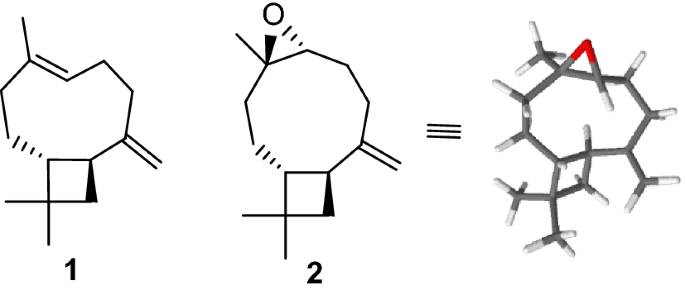
As a popular natural sesquiterpene compound, Caryophyllene Oxide (BCPO) is emerging as a new focal point in the pharmaceutical, food, and daily chemical industries, thanks to its safety profile and versatile biological activities.
Its natural sources are extensive. It is found in common plants such as guava, oregano, and cinnamon, with its content in eucalyptus leaf essential oil reaching as high as 44%. More crucially, toxicological studies have confirmed that it is non-toxic and non-sensitizing, laying a solid safety foundation for its cross-sector applications.
In the pharmaceutical field, BCPO delivers standout performance. It does not rely on the CB2 receptor, yet can inhibit tumor proliferation by blocking pathways like PI3K/AKT. It also upregulates pro-apoptotic genes such as bax and enhances the efficacy of chemotherapeutic drugs like doxorubicin, making it a new direction in natural anti-cancer ingredient research. Additionally, it inhibits 15-lipoxygenase, offering fresh insights for the prevention of diabetes, cardiovascular diseases, and neurological disorders such as Alzheimer’s disease and Parkinson’s disease. At a dose of 12.5 mg/kg, it exerts significant central and peripheral analgesic and anti-inflammatory effects.
In industrial applications, BCPO’s versatility is equally impressive. In the food industry, its antioxidant and antibacterial properties make it a natural preservative, extending the shelf life of baked goods and beverages. In the daily chemical industry, its stable chemical properties allow it to serve as a raw material for cosmetic fragrances, with dual functions of preservation and fragrance modulation. In agriculture, its antibacterial and insecticidal characteristics can be used to develop green pesticides, aligning with the needs of sustainable development.
With natural products accounting for over 60% of anti-cancer drug sources, BCPO—this type of "safe + multi-effective" natural ingredient—is highly regarded by the industry. In the future, by leveraging novel carrier technologies such as artificial cell delivery to improve its bioavailability, its application scenarios will be further expanded, injecting new momentum into the health industry and green manufacturing.
Post time:2025-10-15


